Wandering and wondering, lost in the rhythm of the city.
The Challenge
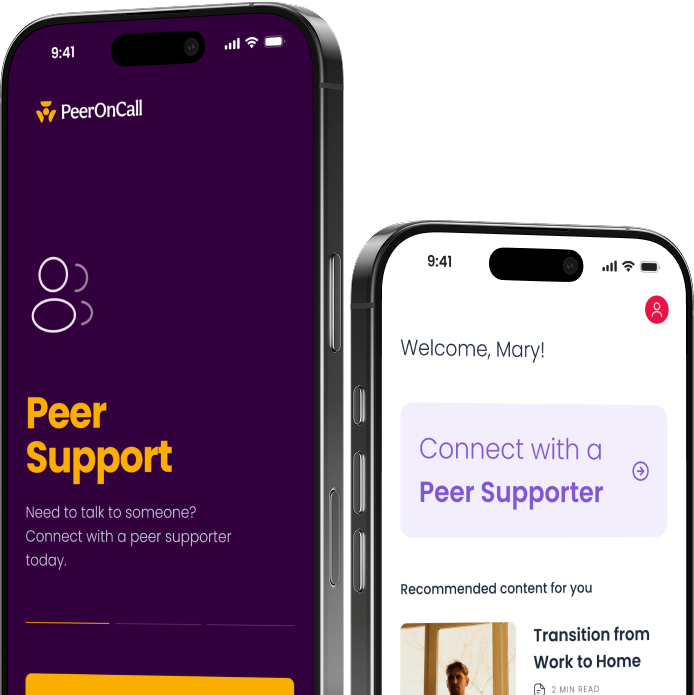
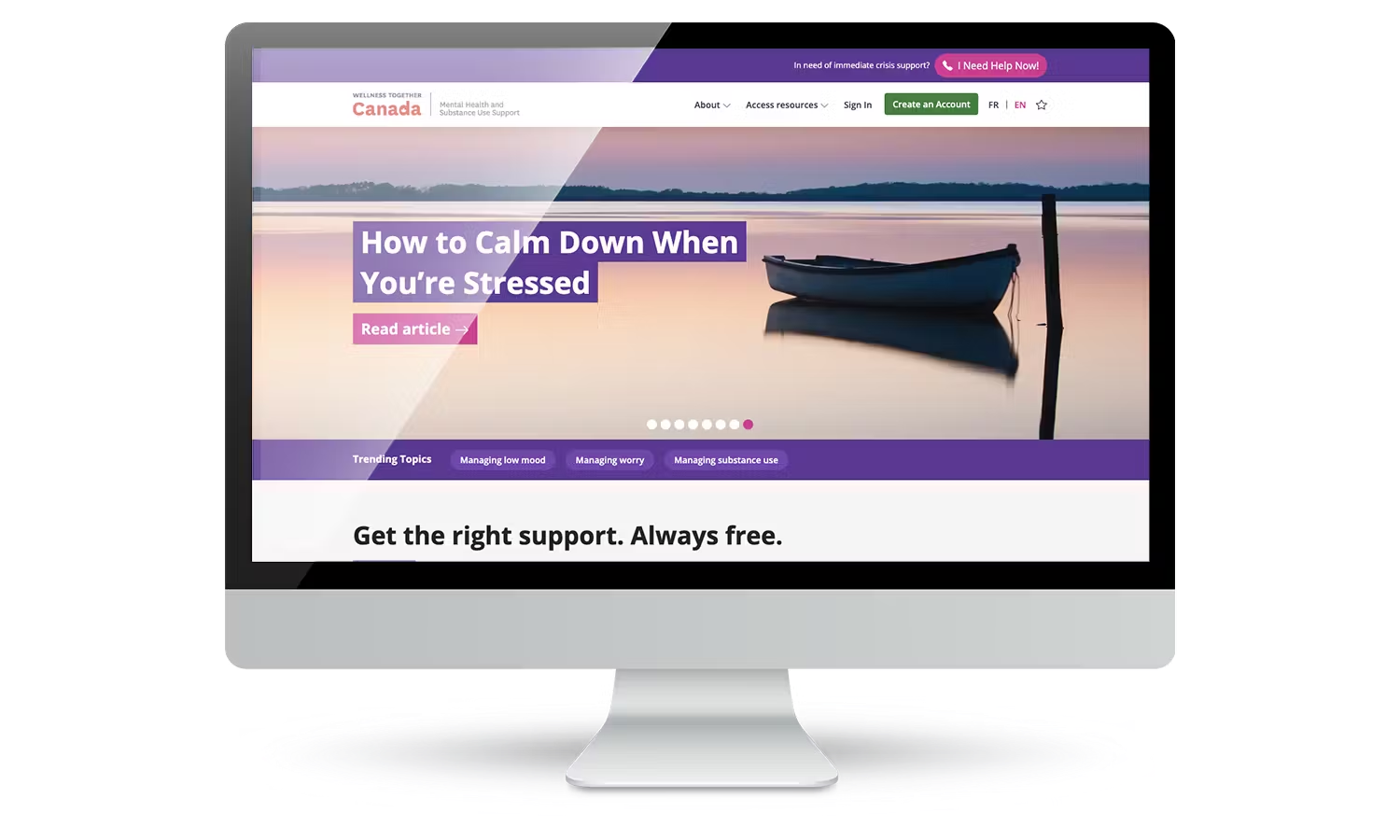
- Built on the foundation of a national government-funded mental health portal, Stepped Care Connect was a new product starting with UC Berkeley as our first enterprise client.
- The challenge wasn't managing scale or fixing what was broken- it was building the right architecture from the start so that scale wouldn't break it later.
A symphony of motion and architecture, framed by history.
A study in contrasts: light, shadow, and the rhythm of the game.
What I Did
- Shaped product and content strategy, IA design, and feature prioritization across web and mobile
- Facilitated service mapping sessions, taxonomy working groups, and design reviews with clinical advisors, content teams, engineering, and UC Berkeley stakeholders
- Ran usability testing with UC Berkeley users and synthesized mixed-methods insights- adoption metrics, session recordings, stakeholder feedback into roadmap decisions
- Designed end-to-end workflows across three distinct user types: care seekers, providers, and administrators
Dockside perspective, capturing the soul of the water.

Venice, and a moment between two.
Key Decisions
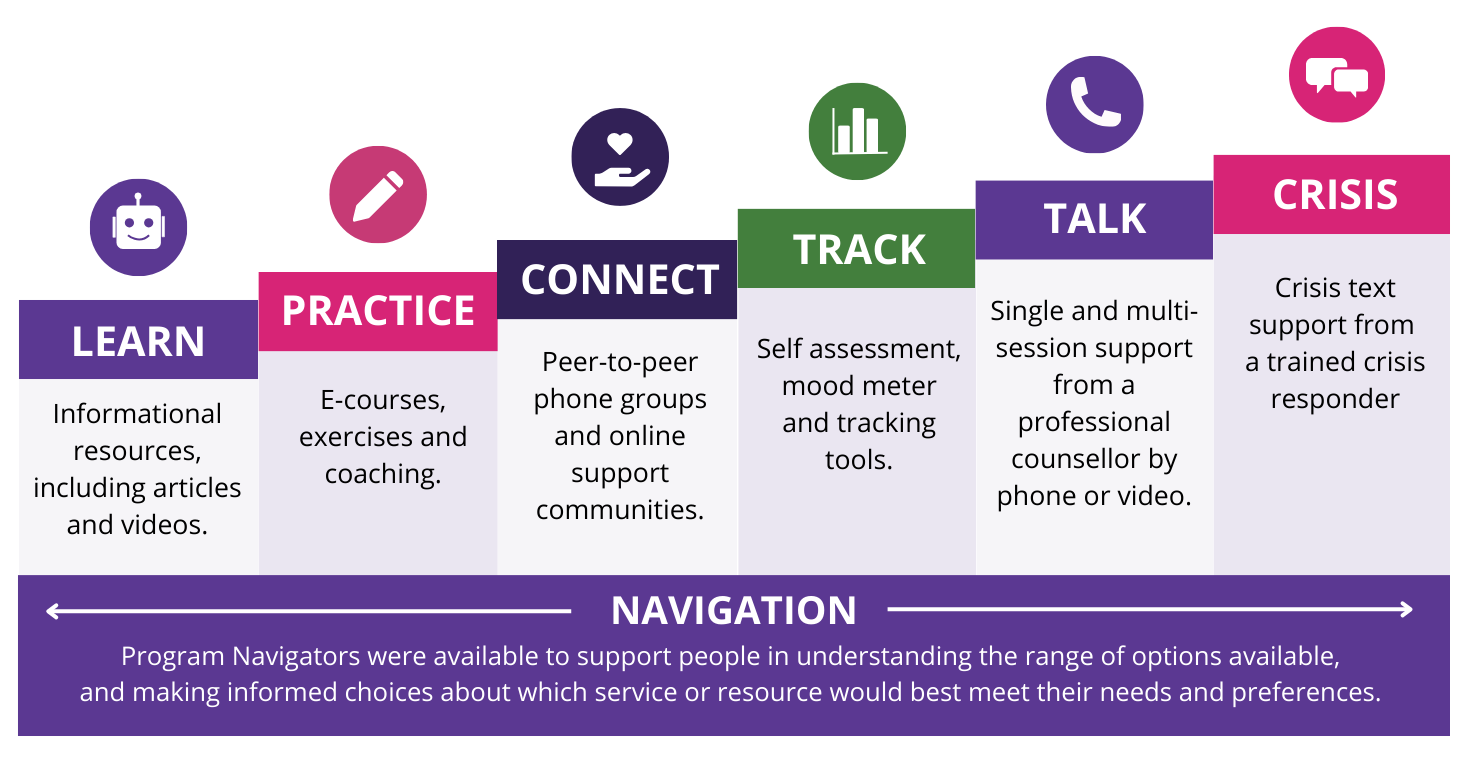
- Designed the information architecture for the second client, not just the first. With only one client live, the temptation was to build specifically for UC Berkeley's needs. I pushed instead for a taxonomy-governed IA organized by activity type (Learn, Practice, Track, Connect, Talk), format (article, video, podcast), topic (sleep, mood, stress), and service provider. The principle: new clients and partners slot into the existing structure rather than requiring a rebuild each time. The tradeoff was a more thoughtful upfront design process. The payoff was a foundation that wouldn't accumulate structural debt with every new contract.
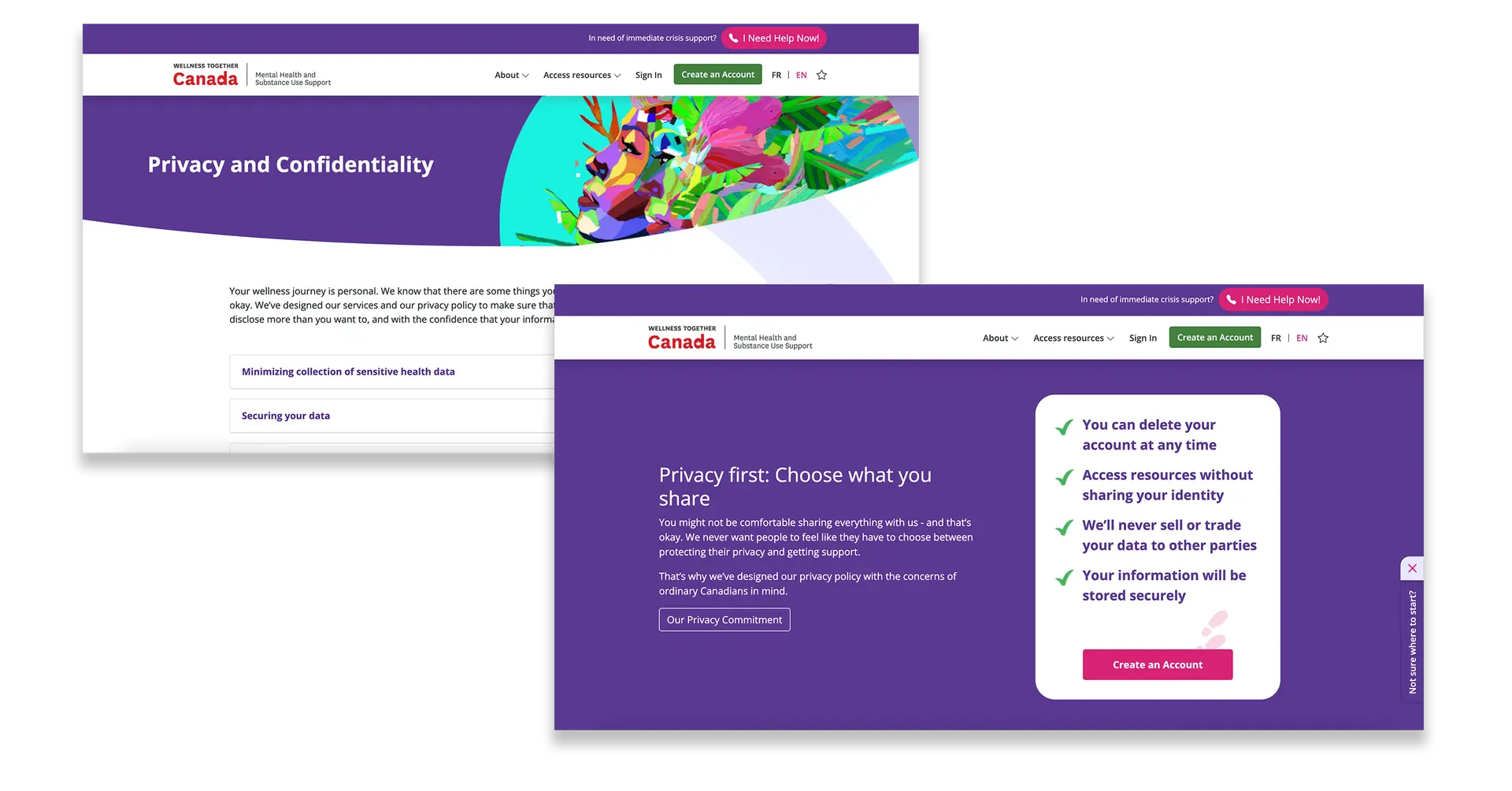
- Proposed gradient consent to replace the binary opt-in wall. Usability testing with previous users revealed visible hesitation at the consent screen- a binary gate requiring full data sharing before proceeding. In a mental health context where users are acutely sensitive to privacy, this was an adoption risk from day one. I recommended a tiered model: anonymous browsing by default, with layered opt-ins unlocking personalization progressively. The tradeoff was reduced first-session data. The bet: building trust early would increase willingness to share over time.
- Flagged broken SSO as both a UX and a measurement problem. After completing self-assessments, users were redirected to external provider login screens with no session continuity. Beyond the UX frustration, this meant the platform had no visibility into downstream outcomes. For a product still proving its value to its first client, the inability to demonstrate impact was a strategic risk. I escalated SSO integration as a priority tied to the platform's ability to retain UC Berkeley and make the case to future clients.
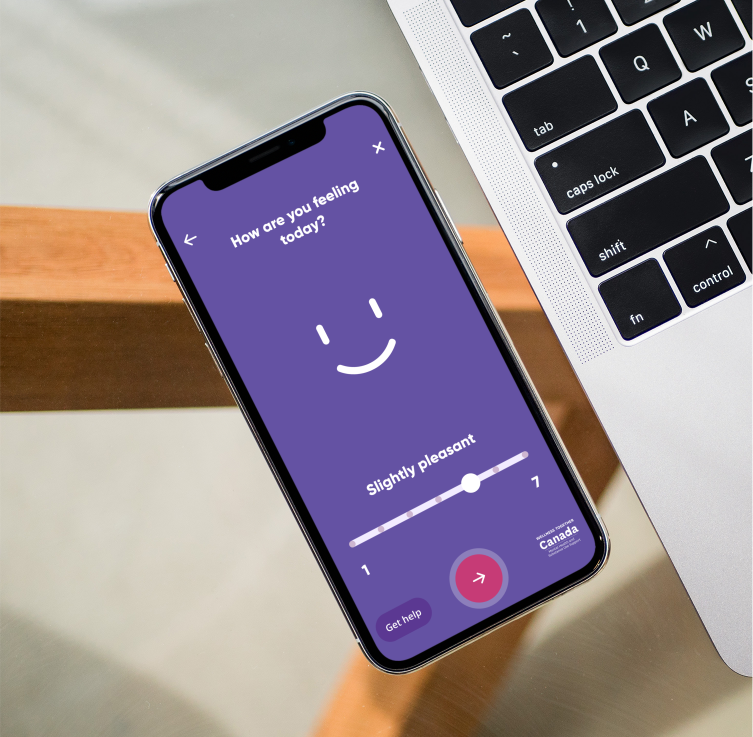
- Closed the loop between assessment and recommendation. Users completed mood and stress check-ins and received no tailored response. The feedback from past users was direct: "What's the point of answering all these questions?" I pushed for recommendations surfaced immediately post-assessment with visible reasoning ("Based on your stress score…"), making the value exchange explicit. For a new product building credibility with its first client, every moment where the platform felt pointless was a retention risk.
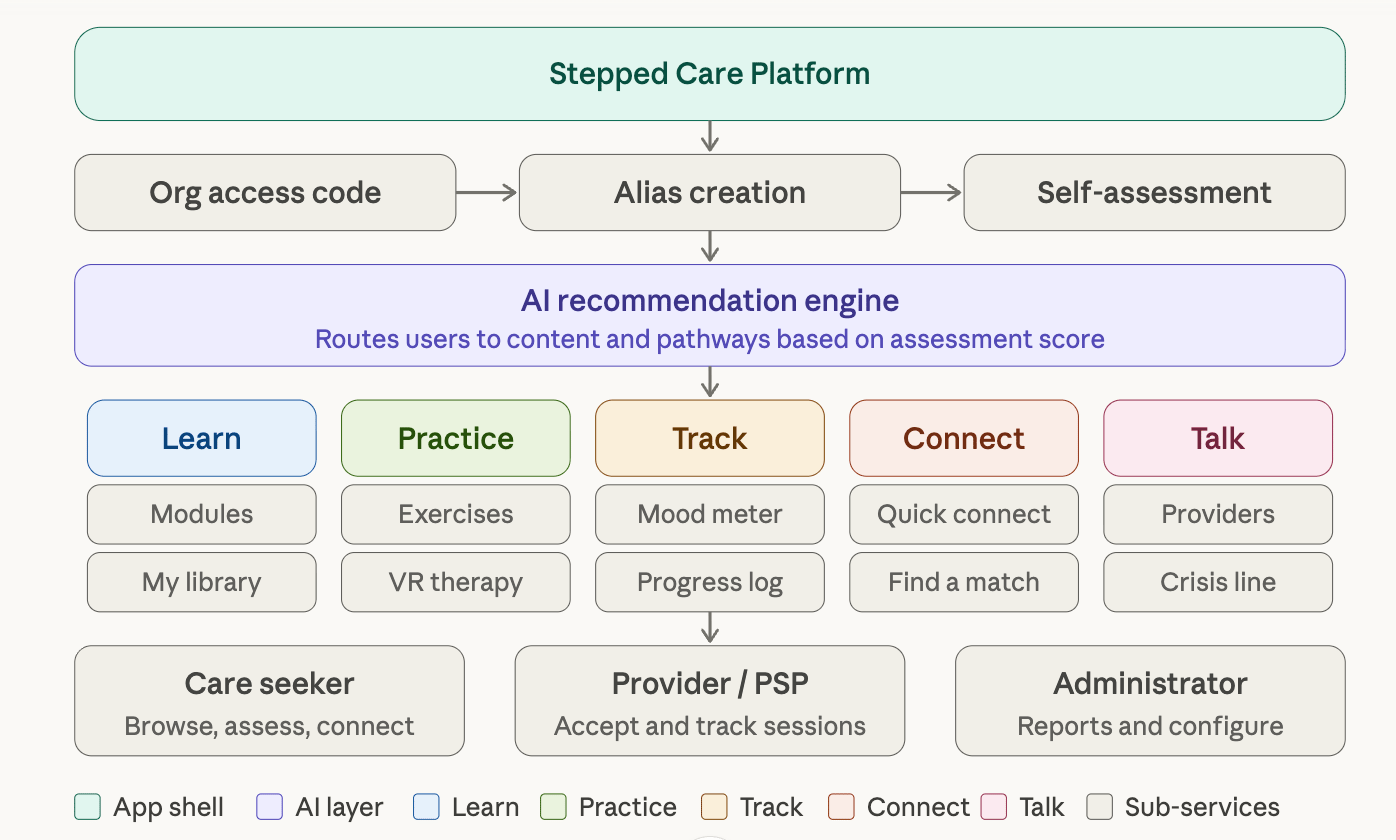
IA framework for Stepped Care Connect
Outcome
- Scalable IA framework designed to support future client onboarding without platform restructuring
- Filter-based service discovery built across content type, format, topic, and provider
- Gradient consent model proposed to reduce entry friction and support trust-building with new users
- SSO integration identified and escalated as a user journey and outcome-measurement priority
- Assessment-to-recommendation flow redesigned to make data collection feel purposeful to users
My Learnings:
The decisions that matter most on a new product aren't the ones that serve the first client. They're the ones that don't have to be undone for the second. With UC Berkeley as the launch client, every structural choice was made with one question in mind: will this still hold when the platform is serving ten organizations with ten different needs?