Case Study

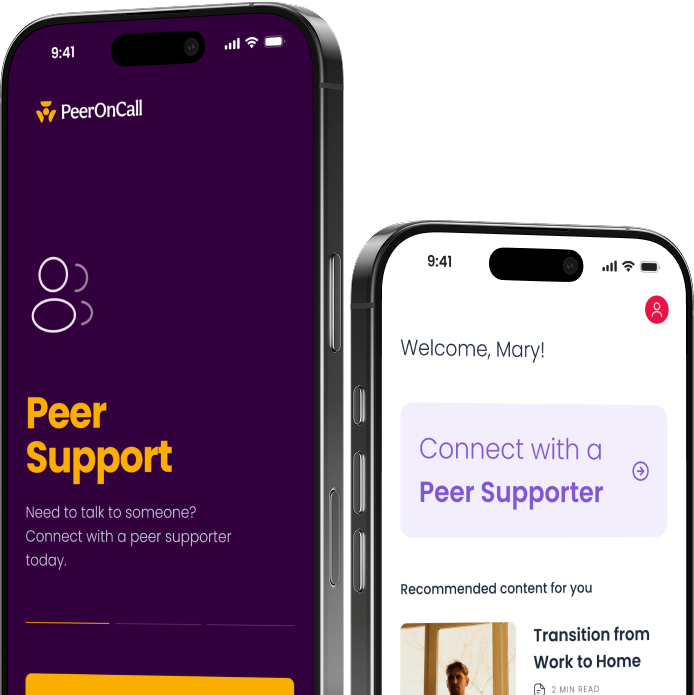
PeerOnCall: Peer Support Apps for First Responders

Product Manager | Stepped Care Solutions | 2024–26

Impact delivered:

+36% user sign-ups

+31% engagement retention

New enterprise contract with Alberta Health Services

man walking in front of textured wall

Wandering and wondering, lost in the rhythm of the city.

The Challenge

  • The platform had endorsement from 40+ organizations and 12,000+ employees. Individual adoption was still failing. The product worked but first responders weren't showing up. The problem wasn't functional. It was psychological.
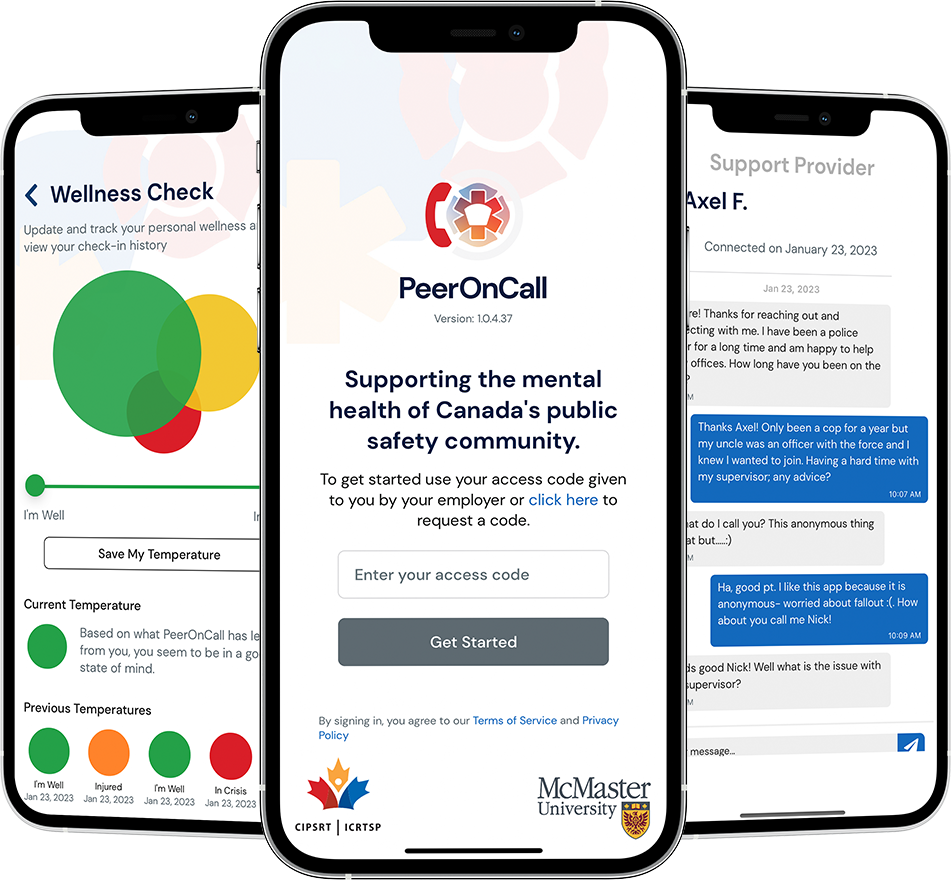
The older version of the apps, originally built by McMaster University

What I Did

  • Led end-to-end discovery, design, and launch across multiple client organizations
  • Identified two distinct support-seeking mental models that reshaped the core matching architecture
  • Redefined anonymity-first onboarding experience
man taking a photo on a wharf

Dockside perspective, capturing the soul of the water.
Venice, and a moment between two.

Key Decisions

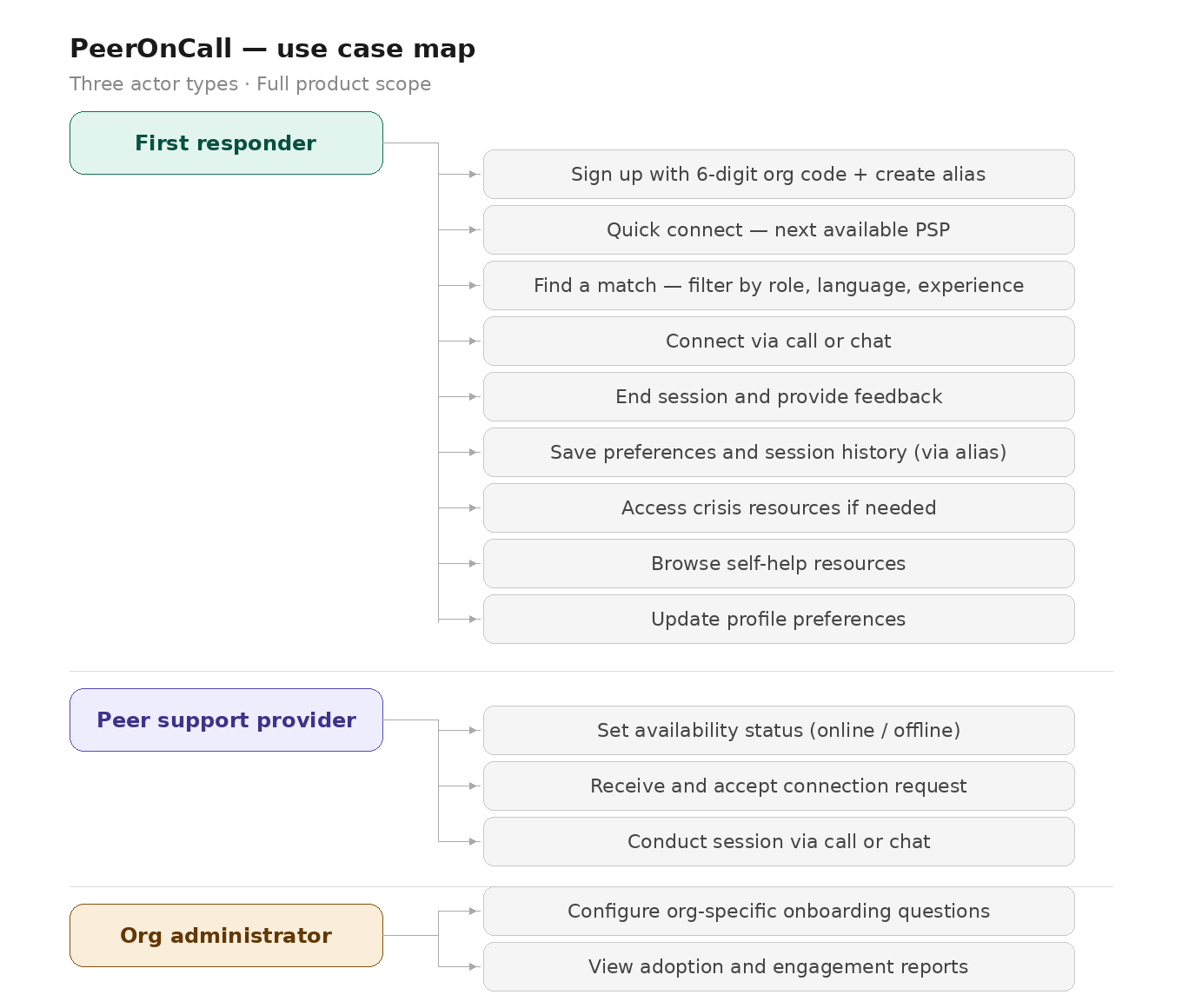
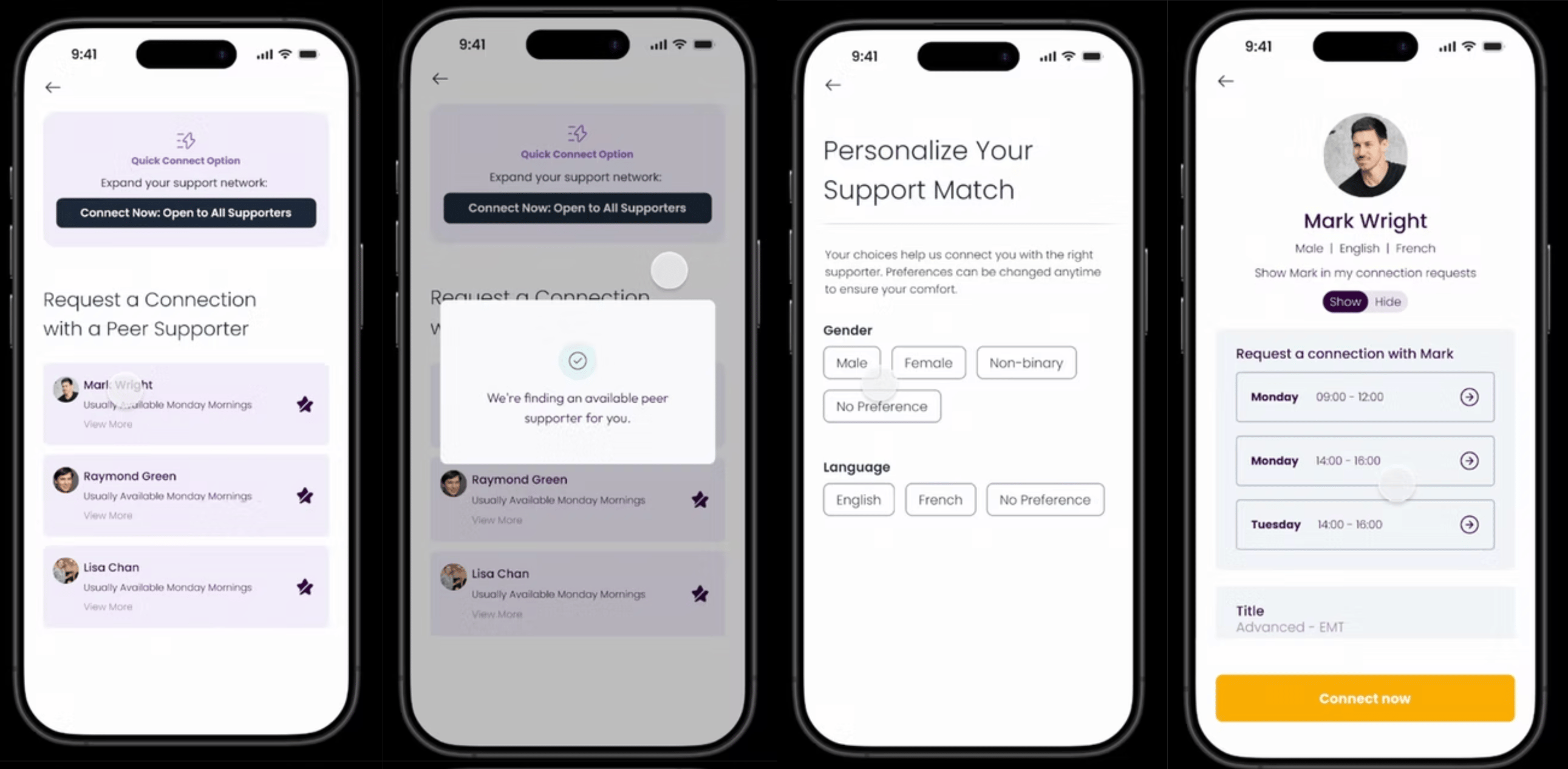
  • Split the peer matching flow into 2 distinct pathways. Research uncovered 2 fundamentally different user states: urgency-driven ("I need someone right now") VS preference-driven ("I want someone who understands my background").
    • Quick Connect operates on first-available logic - all online supporters notified simultaneously, first to respond takes the session.
    • Find a Match allows filtering by role, lived experience, language, and availability.
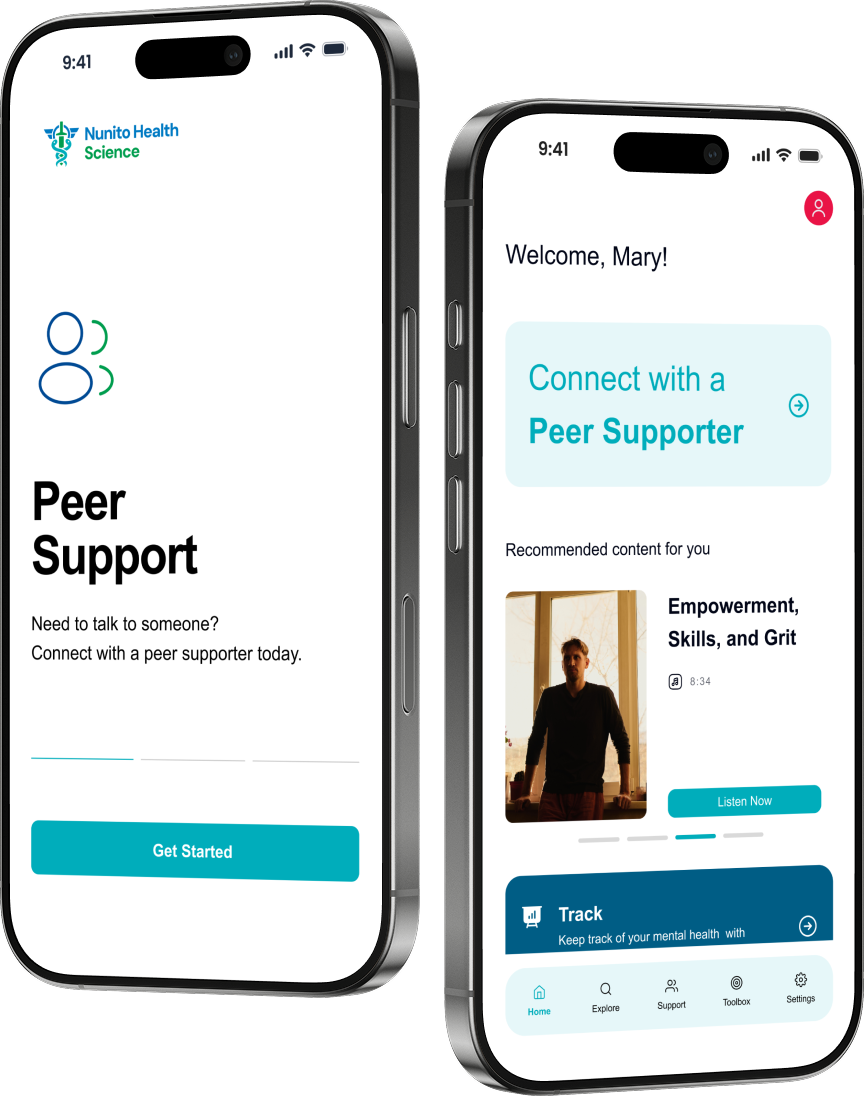
  • Replaced email login with org-based access codes and aliases. Email felt traceable- not because it was, but because perception was enough to deter sign-up entirely. Switching to org codes removed the most visible signal of traceability at the entry point. Aliases let users personalize their experience without providing personal identifiers.
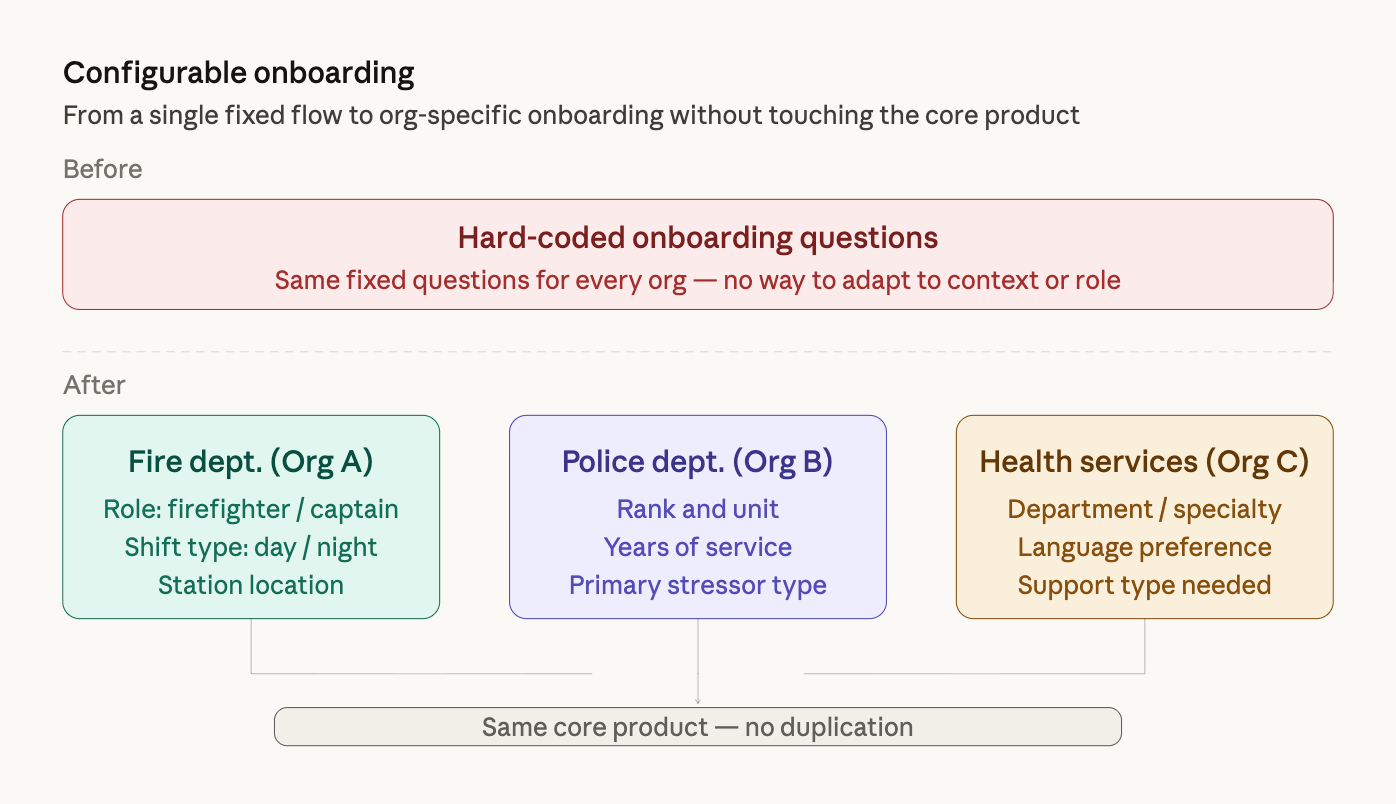
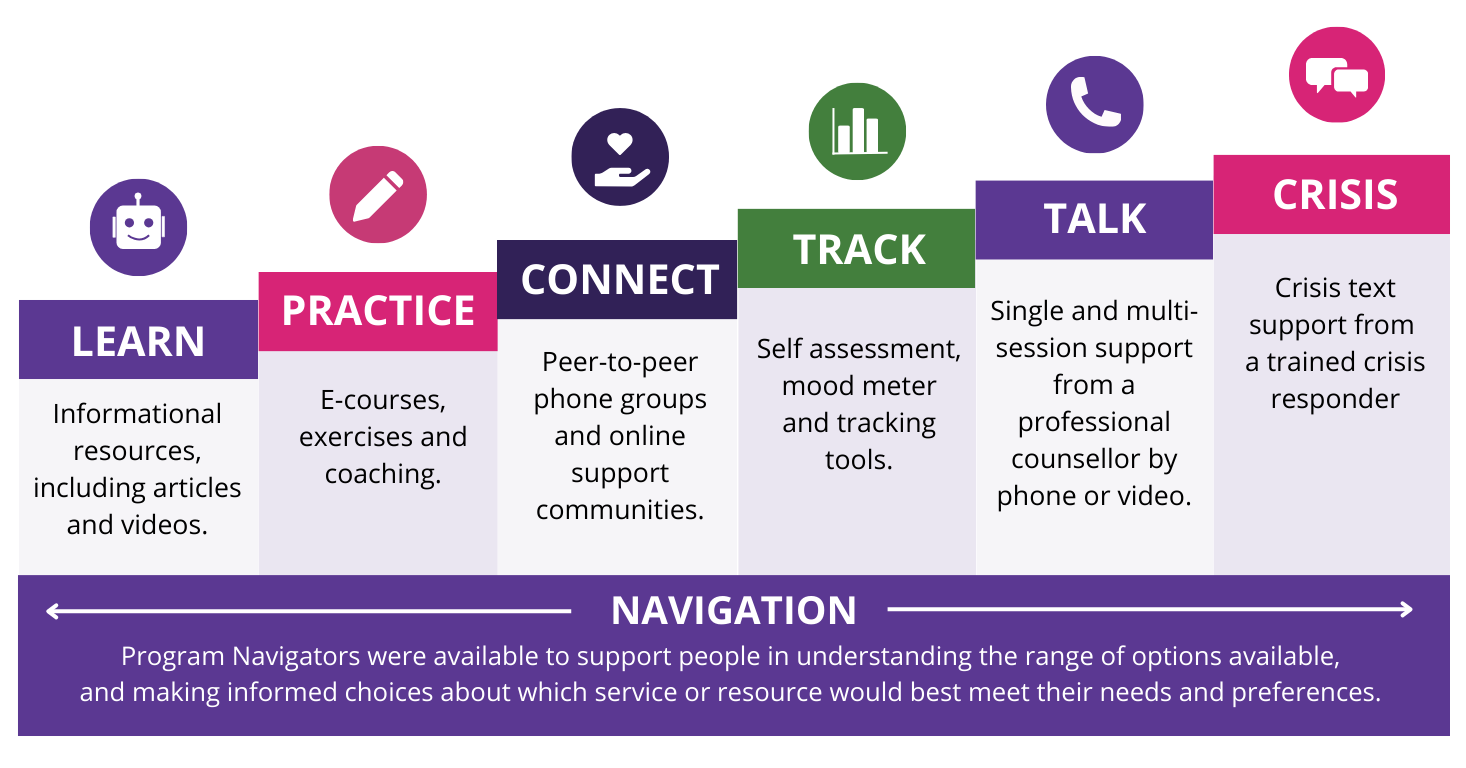
  • Built multi-tenant white-labeling into the architecture from the start. Rather than treating each new client as a bespoke implementation, I pushed for a configurable multi-tenant layer- allowing branding customization without touching the core product. The tradeoff was upfront engineering investment. The payoff: new contracts, including Alberta Health Services, could be onboarded confidently and quickly, without much technical debt.
people dancing on square
  • Built multi-tenant white-labeling into the architecture from the start. Rather than treating each new client as a bespoke implementation, I pushed for a configurable multi-tenant layer- allowing branding customization without touching the core product. The tradeoff was upfront engineering investment. The payoff: new contracts, including Alberta Health Services, could be onboarded confidently and quickly, without much technical debt.
people dancing on square

Outcome

  • User sign-up rate up 36% following anonymity-first onboarding redesign
  • Engagement retention up 31%
  • New enterprise contract secured with Alberta Health Services
  • Multi-tenant architecture enabled confident, scalable deployment across multiple enterprise clients

Key takeaways:

In high-stigma environments, perceived safety is the product. No feature sophistication matters if the user doesn't feel safe enough to open the app. Every decision ( the alias, the org codes, the dual pathways) came back to the same principle: reduce the emotional cost of asking for help, at every step, before anything else.
More projects

Artwork

Stepped Care Connect

Explore

Editorial

TourHeart Plus - AI chatbot

Explore

magazine spread

Design

Castro Capitalbranding

Explore

Case Study

PeerOnCall: Peer Support Apps for First Responders

Product Manager | Stepped Care Solutions | 2024–26

Impact delivered:

+36% user sign-ups

+31% engagement retention

New enterprise contract with Alberta Health Services

man walking in front of textured wall

Wandering and wondering, lost in the rhythm of the city.

The Challenge

  • The platform had endorsement from 40+ organizations and 12,000+ employees. Individual adoption was still failing. The product worked but first responders weren't showing up. The problem wasn't functional. It was psychological.

The older version of the apps, originally built by McMaster University

What I Did

  • Led end-to-end discovery, design, and launch across multiple client organizations
  • Identified two distinct support-seeking mental models that reshaped the core matching architecture
  • Redefined anonymity-first onboarding experience
man taking a photo on a wharf

Dockside perspective, capturing the soul of the water.

Venice, and a moment between two.

Key Decisions

  • Split the peer matching flow into 2 distinct pathways. Research uncovered 2 fundamentally different user states: urgency-driven ("I need someone right now") VS preference-driven ("I want someone who understands my background").
    • Quick Connect operates on first-available logic - all online supporters notified simultaneously, first to respond takes the session.
    • Find a Match allows filtering by role, lived experience, language, and availability.
  • Replaced email login with org-based access codes and aliases. Email felt traceable- not because it was, but because perception was enough to deter sign-up entirely. Switching to org codes removed the most visible signal of traceability at the entry point. Aliases let users personalize their experience without providing personal identifiers.
  • Built multi-tenant white-labeling into the architecture from the start. Rather than treating each new client as a bespoke implementation, I pushed for a configurable multi-tenant layer- allowing branding customization without touching the core product. The tradeoff was upfront engineering investment. The payoff: new contracts, including Alberta Health Services, could be onboarded confidently and quickly, without much technical debt.
people dancing on square
  • Built multi-tenant white-labeling into the architecture from the start. Rather than treating each new client as a bespoke implementation, I pushed for a configurable multi-tenant layer- allowing branding customization without touching the core product. The tradeoff was upfront engineering investment. The payoff: new contracts, including Alberta Health Services, could be onboarded confidently and quickly, without much technical debt.
people dancing on square

Outcome

  • User sign-up rate up 36% following anonymity-first onboarding redesign
  • Engagement retention up 31%
  • New enterprise contract secured with Alberta Health Services
  • Multi-tenant architecture enabled confident, scalable deployment across multiple enterprise clients

Key takeaways:

In high-stigma environments, perceived safety is the product. No feature sophistication matters if the user doesn't feel safe enough to open the app. Every decision ( the alias, the org codes, the dual pathways) came back to the same principle: reduce the emotional cost of asking for help, at every step, before anything else.
More projects

Artwork

Stepped Care Connect

Explore

abstract painting

Editorial

TourHeart Plus - AI chatbot

Explore

magazine spread

Design

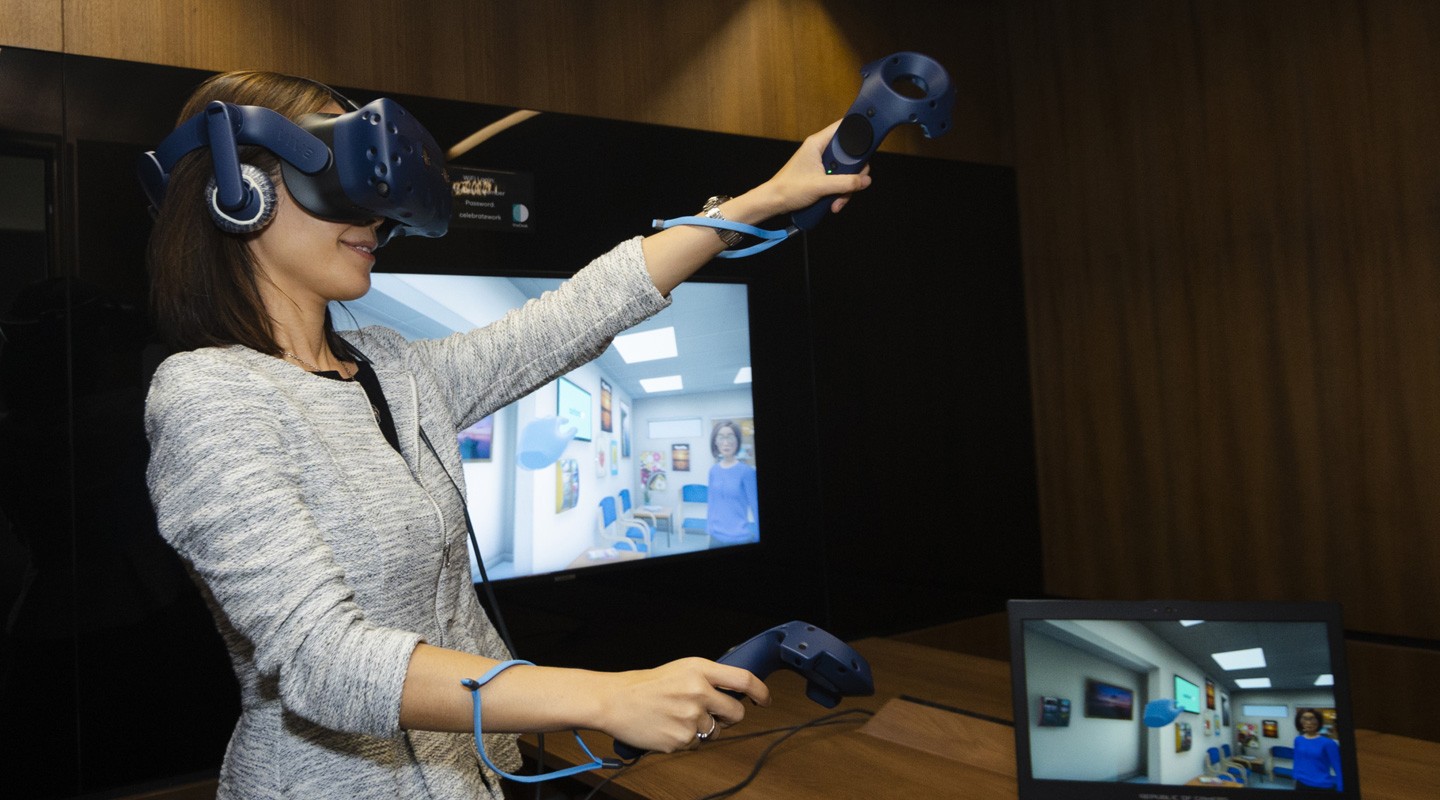
VR Immersive Therapy

Explore

Case Study

PeerOnCall: Peer Support Apps for First Responders

Product Manager | Stepped Care Solutions | 2024–26

Impact delivered:

+36% user sign-ups

+31% engagement retention

New enterprise contract with Alberta Health Services

man walking in front of textured wall

Wandering and wondering, lost in the rhythm of the city.

The Challenge

  • The platform had endorsement from 40+ organizations and 12,000+ employees. Individual adoption was still failing. The product worked but first responders weren't showing up. The problem wasn't functional. It was psychological.

The older version of the apps, originally built by McMaster University

What I Did

  • Led end-to-end discovery, design, and launch across multiple client organizations
  • Identified two distinct support-seeking mental models that reshaped the core matching architecture
  • Redefined anonymity-first onboarding experience
man taking a photo on a wharf

Dockside perspective, capturing the soul of the water.

Venice, and a moment between two.

Key Decisions

  • Split the peer matching flow into 2 distinct pathways. Research uncovered 2 fundamentally different user states: urgency-driven ("I need someone right now") VS preference-driven ("I want someone who understands my background").
    • Quick Connect operates on first-available logic - all online supporters notified simultaneously, first to respond takes the session.
    • Find a Match allows filtering by role, lived experience, language, and availability.
people dancing on square
  • Built multi-tenant white-labeling into the architecture from the start. Rather than treating each new client as a bespoke implementation, I pushed for a configurable multi-tenant layer- allowing branding customization without touching the core product. The tradeoff was upfront engineering investment. The payoff: new contracts, including Alberta Health Services, could be onboarded confidently and quickly, without much technical debt.
people dancing on square

Outcome

  • User sign-up rate up 36% following anonymity-first onboarding redesign
  • Engagement retention up 31%
  • New enterprise contract secured with Alberta Health Services
  • Multi-tenant architecture enabled confident, scalable deployment across multiple enterprise clients

Key takeaways:

In high-stigma environments, perceived safety is the product. No feature sophistication matters if the user doesn't feel safe enough to open the app. Every decision ( the alias, the org codes, the dual pathways) came back to the same principle: reduce the emotional cost of asking for help, at every step, before anything else.

More projects

Artwork

Stepped Care Connect

Explore

abstract painting

Editorial

TourHeart Plus - AI chatbot

Explore

magazine spread

Design

VR Immersive Therapy

Explore